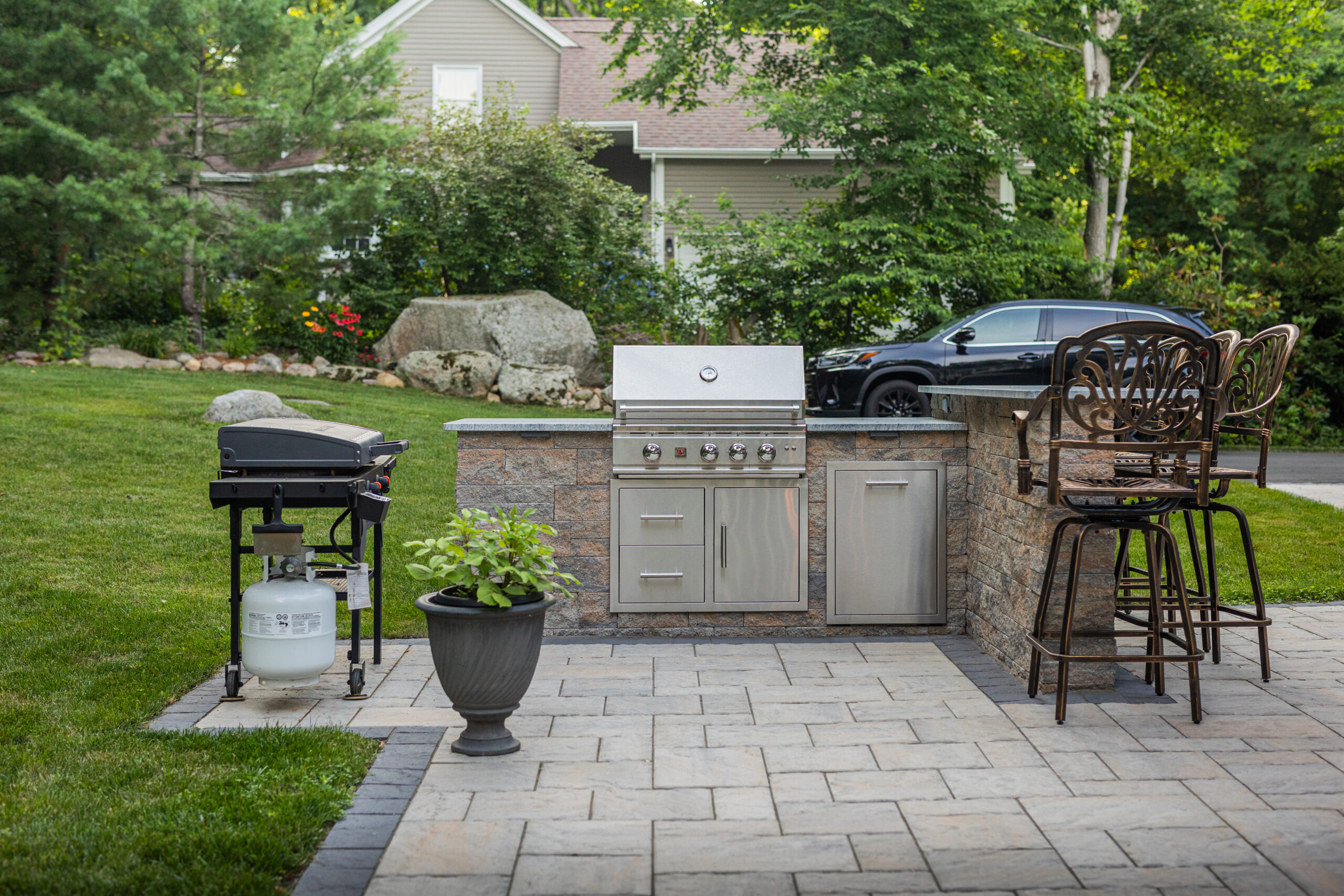
Owning a built-in grill means following a few key maintenance steps to keep it running safely and efficiently. Regular cleaning, proper startup procedures, and basic troubleshooting can prevent common issues and protect the investment you’ve made in your outdoor kitchen for years to come.
Protect the investment you’ve put into your outdoor kitchen and built-in grill. Keeping the grill, other appliances, and stainless steel cabinets clean and well-maintained helps preserve that investment for many years to come. There are some minor issues that can occur when you own a gas grill — no matter how much you spend on it, things can go wrong and malfunction once in a while. Below is a checklist of things to watch for and to include in your regular grill maintenance. Some of these tips are specific to the Summerset brand of grills, and some are more general and may apply to other brands as well.
How Do I Turn On the Grill Burners?
Before lighting, open the hood and make sure all knobs are in the OFF position. Never light the grill with the lid closed.
Push in and turn the burner knob slowly to the HI position. You’ll hear a clicking sound as the igniter fires. Repeat this step until the burner lights.
If the burner doesn’t ignite within 4 seconds, turn the gas off and wait 5 minutes before trying again.
If the igniter isn’t lighting the burner, Summerset TRL grills can also be lit manually: turn the knob for the far-right burner to HI, then hold a match or lighter at the top of the flash tube on the right side of the basin. Once that burner is lit, turn on the next burner over and let the flame carry across; repeat for the far-left burner on 32″ models. The rear burner needs a long lighter or hearth match held directly to the burner surface — it should light immediately. Note that TRLD models don’t have the flash tube option, so those burners must be lit individually.
How Do I Turn On the Rotisserie Burner?
Always remove the warming rack before using the rotisserie burner. Leaving it in place can damage it and isn’t covered under warranty.
Push in and turn the rotisserie burner knob slowly to the HI position, holding until you hear clicking and the burner ignites. If it doesn’t light within 4 seconds, turn the gas off, wait 5 minutes, and try again.
It’s normal for the infrared rotisserie panel to discolor the first time it’s lit.
Not every built-in grill includes a rotisserie burner, so if yours doesn’t have one, this step won’t apply to your model.
What General Maintenance Does a Built-In Grill Need?
- Keep the grill covered. A cover helps keep water from getting into the vents and drip tray.
- Wipe down exterior surfaces monthly. Use a stainless steel cleaner at least once a month. Most cleaners contain a protective oil that stays on the surface for a time — Affresh Stainless Steel Cleaning Wipes are a great product to use.
- Clean the ceramic briquettes seasonally. These don’t need cleaning beyond once a year — most people like to keep them “seasoned” for added flavor. At the start of grilling season, wash them with warm, soapy water and a soft brush. The whole tray lifts straight up and out of the grill for easier access; unscrew the top metal piece to reach the individual briquettes.
- Watch for pests during prolonged non-use. Spiders and insects can nest in areas that adversely affect how the grill functions.
- Check and clean the burner components. Inspect the burner inlets, orifice hood (the gas inlet to the burner), igniter, and sparkers, and clean thoroughly. A thin wire works well for carefully clearing out orifices and burner inlets.
Troubleshooting Common Built-In Grill Issues
The Burner Won’t Light
- Check the gas supply to the burner by manually lighting the burners.
- Check the pilot side of the valve for a spark while the gas is off.
- Make sure the spark area is clean and free of debris or cobwebs.
- Confirm you now have a spark.
- If there’s still no spark, check the valve and gas supply line for defects such as breaks or punctures.
Improper Burner Flame
- Confirm you have the correct gas type (liquid propane or natural gas) hooked up to the correct grill type — these fuels require different burner parts to operate properly.
- Check the burner gas inlet area for blockage and clear it out.
- Check the orifice tops for clogging and clean as needed.
- Check the gas pressure if the flame is too low or too high.
- Check whether the liquid propane tank is running low.
- Always make sure all knobs are in the OFF position before turning the tank valve on.
Uneven Burner Flame
- Make sure nothing has shifted and that the grill is still level and properly seated in the counter and stonework.
- Make sure the burner is installed properly and sitting level.
Keep Your Outdoor Kitchen Running Strong
A little routine maintenance goes a long way toward keeping your built-in grill safe, reliable, and ready for whatever you’re cooking up. If you run into an issue that troubleshooting doesn’t solve, or you’re ready to explore a new outdoor kitchen or grill island, our team is here to help.