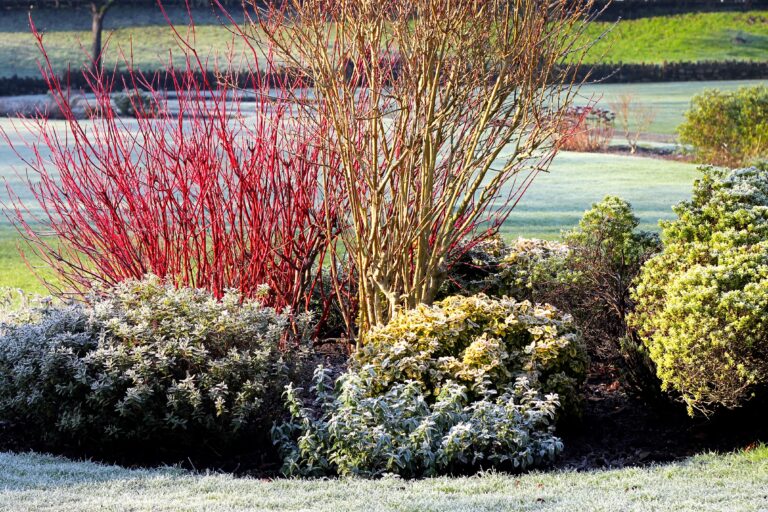

Winter may not be finished yet (or it may be, depending on when you’re reading this). There may still be snow on the ground, and cold mornings in the forecast, but spring is right around the corner.
In New England, the shift happens quickly. Before you know it, the snow melts, the days get longer, and your yard begins to feel alive again. Now is the perfect time to start thinking ahead. By planning ahead, your lawn, garden beds, and outdoor spaces will be ready to thrive the moment warmer weather hits.
1. Do a Quick Walkthrough of Your Property
Start with a simple walkthrough. It’s normal for your lawn to look a little rough in the early spring. Winter leaves behind sticks, leaves, and other debris that block sunlight and trap moisture, creating ideal conditions for pests, fungus, and disease.
Clearing all lawn and planting bed areas can encourage healthy, new growth and improve your yard’s overall curb appeal.
If you did a fall cleanup, you’re already ahead! If not, now’s the time.
2. Inspect Your Lawn
Lawns are very important to our environment; they filter out many pollutants, including carbon dioxide, and can produce enough oxygen to sustain an average adult life. However, because we deal with drought conditions every year, lawns can be tricky to maintain. The solution, though, is quite simple: optimize soil health so that your lawn can endure poor conditions.
Dethatch as needed: A common misconception is that thatch is caused by leaving grass clippings on your lawn. On the contrary, recycling grass clippings into your lawn promotes natural health.
Thatch is made up of plant matter, which is resistant to microorganisms that break down the materials. This plant matter consists of stem nodes, crowns, fibers, vascular tissues, and roots. On existing lawns, thatch should never exceed 1”. If it does, de-thatch your lawn in the Spring. This can be done manually with a de-thatching rake or with a gas-powered de-thatcher.
Check for compaction: If your lawn is too hard, grass roots will be restricted and not have enough oxygen and space to grow. A good rule of thumb is to stick your finger into the soil. If you cannot insert your finger into the soil an inch or more, it is too compact. If this is the case, aerating your lawn would be the next step
Aerate: Typical gas-powered aerating machines remove plugs from your lawn, which allows air into the root systems. Natural settlement will fill the holes back in, and the plugs can be left on the lawn to break down, or you can remove them. After aerating, you should apply a dusting or 1/4” of compost directly on the lawn as a fertilizer replacement. This will amend the soil for a longer life, rather than supplying short-term stimulation.
Apply Lime: Next, apply lime; this is a crucial step to maintaining a healthy lawn. The pH of a lawn should always be around 6.8. An incorrect pH can result in a 70% decrease in your lawn’s ability to absorb and utilize nutrients and water.
Reseed: At this point, we recommend slit-seeding your lawn. A slit or slice seeder is a piece of equipment that cuts into the soil and drops the seed into the “slits”. It is a very effective and efficient way to install new seed. You should essentially slit seed your lawn twice, in a crossing pattern, to avoid unattractive lines of new growth. Any bare areas that are seeded should be covered with a top dressing to help maintain moisture and protection. We recommend the use of Penn Mulch or Green Mulch, which is much more effective than shredded straw. If new grass is being installed, make sure you choose the right seed. The seed should be drought-tolerant, disease and insect-resistant, and hardy enough for your regional zone.
3. Clean Up Your Garden Beds
Prune: Rule of thumb for pruning – first, do no harm! You can always prune more, but you can never put it back! Remember that by the end of winter, some plants such as Rhododendrons and Forsythia have already developed flower buds for the coming Spring. You want to wait until after they have flowered before you prune them. Plants such as roses, ornamental grasses (if left over winter), and some hydrangeas should be pruned in the spring. (Note: Use caution when pruning Hydrangea, as pruning techniques and timing vary by variety)
Pruning the right plants at the right time AND knowing about the plants you want to prune are essential to effective pruning. Boxwoods and Inkberry Hollies can tolerate hard shearing and be shaped relatively closely, while more “woody” plants, such as Mt. Laurels or Clethra, do not respond well to shearing and require more selective pruning. The idea is to allow light and oxygen into dense plants to promote better health and battle disease, such as blight. It takes time, experience, and knowledge to successfully prune plants. Poor practices may damage your plants over time, so prune wisely or hire an expert for the best results.
Weeding & Cleaning: If a garden bed was left untouched for too long, chances are you will need to dig everything out and replace the soil. Established weeds, such as crabgrass, are toxic and affect the areas in which they grow. Weeds are not only invasive, but they also compete with plants for vital nutrients and water. Dormant weed seeds can survive in the ground for many years and have the potential to sprout whenever the conditions are optimal.
Dry and poor soils are the best environments for weeds to prosper. Just like lawns, if we allow sticks, leaves, and debris to build up in our garden beds, we are inviting pests, fungi, and diseases to enter. Keep the beds clean and make sure any excess mulch, soil, and/or materials are removed from the beds before applying new mulch. Additionally, keep in mind that too much material around the base or stem of a perennial, shrub, or tree is detrimental to the life of the plant.
Feed your Plants: Utilize compost and natural amendments for your plants! Using quality composts, teas, and organic matter to replace fertilizer is not only safer for your family and pets, but can also produce better results for your plants and lawn. To apply compost, pull back the mulch from around the base of a plant and apply an inch of compost to the root system. Using your hands, cautiously work the compost into the soil and the upper region of the roots. Replace the mulch and water the plant for best results.
Organic matter can come in powders or granules for easy applications. There are also products out there, such as “Roots,” that can be mixed with water to make a tea. This is used to water plants or lawns and provides fantastic results to establish new plants, as well as for regular maintenance. You can also create your own teas by mixing compost or organic materials in water and letting it sit for a day or two. Shake before use.
Edge and mulch your garden beds for better health AND a better look: Edge and mulch your planting beds to provide better health and elegance for your outdoor living spaces. You should always aim for edges 3 or more inches deep, although sometimes large tree roots, ledge, or buried boulders make this very difficult.
After edging, make sure that you bring the mulch up to the very top of the soil line. Leaving the mulch lower than the soil line promotes undefined lines over a short period. Once you get a good rain, the soil will make its way on top of the mulch and damage your perfect edge; so always mulch right up to the top for longer-lasting results.
Mulch serves several purposes, including helping to retain water and keeping weeds away. As it breaks down throughout the season, like compost, it will amend the ground and provide better overall health for the soil and plants.
Applying 3 inches of mulch on newly installed plants and 1-2 inches on previously mulched beds is the normal standard within our industry. With that said, it is very important to apply the mulch correctly. Have you ever driven down the road and passed a building with trees lining the property? Have you ever seen the mulch rings and what looks like volcanoes of mulch mounded against the base of the tree? We call these “mulch volcanoes,” and they can severely damage the tree. Keep mulch away from the stem of a tree or plant, as it can cause root rot, girdling roots, diseases, and attract insects.
4. Check Your Tools (and Safety Gear)
Check your hand tools and supplies to make sure you are prepared. Some of the most common and essential tools provide for personal safety. Begin by making sure you have a good pair of working gloves, safety glasses, and hearing protection for starters.
As for tools, a good pair of hand pruners is always a necessity. Felco and Corona brands both provide good options– but you may have your own favorites. You will also need a sturdy leaf rake, and you should consider a good backpack blower.
In addition to basic shovels (flat and digging) and grade rakes (for soil and heavy debris), a grub or pick axe is always nice to have. These tools can cut roots, grass, and even help remove stubborn rocks in the ground.
Lastly, a lawn mower and trimmer are essential for good lawn care.
5. Inspect Gutters & Water Features
Now is a good time to have your gutters checked: When April showers are here, the last thing you want is water wreaking havoc on your house and foundation. Hire a trained and insured professional to make sure your roof is sound and that your gutters are draining properly.
This is also a great time to double-check any drain boxes you may have on your property. Open them up and inspect them for any debris or blockages. If necessary, clean them out to allow proper water flow for the new season. If you have ponds or water features on your property, make sure they are free from dirt, debris, sticks, etc. If necessary, you may have to drain your feature and hose it off or pressure wash it to make sure it is clean. The next step would be to reinstall the water pump, as this should have been removed for the winter.
6. Have a Plan for Improvements
It’s always best to have a plan: If you want to do some additional planting or make some more significant changes to your property, you likely have more work to do. Before planting, consider a few items such as these:
- Soil type and pH
- Sun vs. Shade Patterns
- Annuals vs. Perennials
- Seasonal Color Variation
- Outdoor Living Elements (Furniture, Pergolas, Kitchens)
Planning prevents costly mistakes and ensures you have a cohesive design for your property.
7. Upgrade with Hardscaping
If you want to take your yard to the next level, consider installing:
Modern manufacturers such as Techo-Bloc and Unilock offer a wide selection of pavers to choose from, with a variety of colors, textures, and permeable options.
Bonus: Hire a Professional
Yes, we’re biased, but hiring a reputable landscape contractor can save you time, money, and frustration. If you’re comparing contractors, use our Contractor Comparison Worksheet to help you make an informed decision.
Ready to Enjoy Your Yard?
A proper spring cleanup sets the tone for the entire season. Whether you tackle it yourself or bring in professionals, putting in the work now means more time enjoying your outdoor space later.
If you need help, we’re just a call or click away.
Let’s make this your best yard season yet.