Designing a paver patio is about much more than choosing a style or color you like. A well-designed patio should feel natural, be effortless, and actually support how you intend to use your new outdoor space. If you’re in the early planning stages, these six considerations can help you design a beautiful, practical patio that you’ll enjoy for years to come.
1. How Many People Will Use the Space?
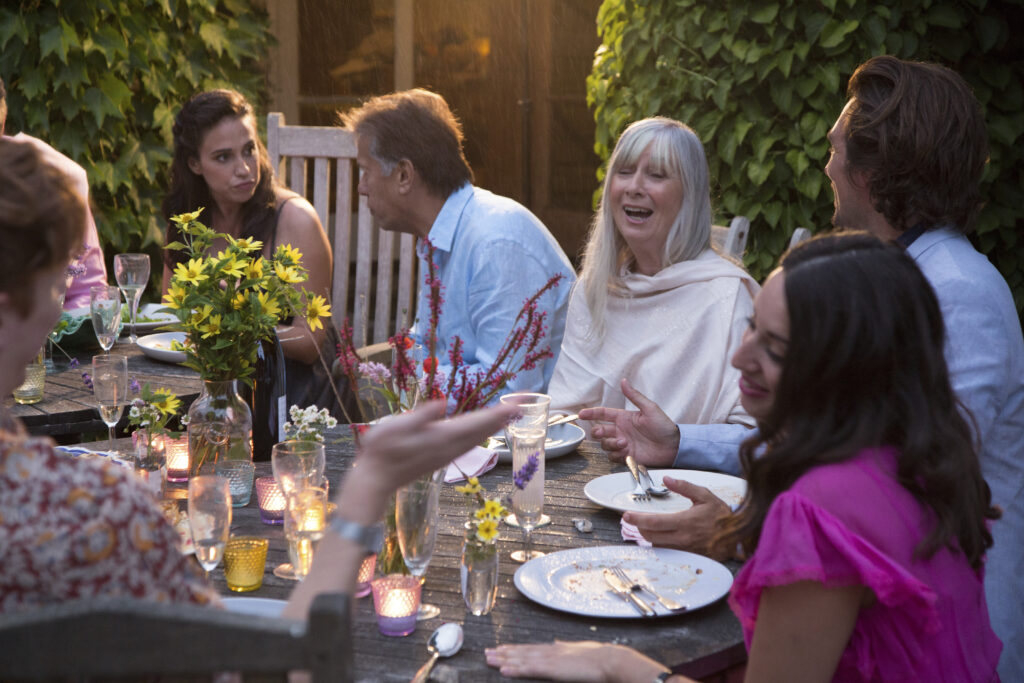
One of the most important topics of consideration is thinking about how many people will realistically use your patio at one time.
- Just your immediate family?
- Small gatherings of 10-12 people?
- Larger groups of 20-30 for parties or events?
This will help determine the size and layout of your patio. A space that feels perfect for just four people will quickly feel cramped when entertaining.
2. How Often Do You Entertain?
Do you frequently host friends and family, or will the patio mostly be used for rest and relaxation?
If entertaining is a priority, you may want:
- More open space for movement
- Seating options beyond a single table
- Clear circulation paths so guests aren’t walking through seating areas
- Landscape Lighting to continue using the space after dark
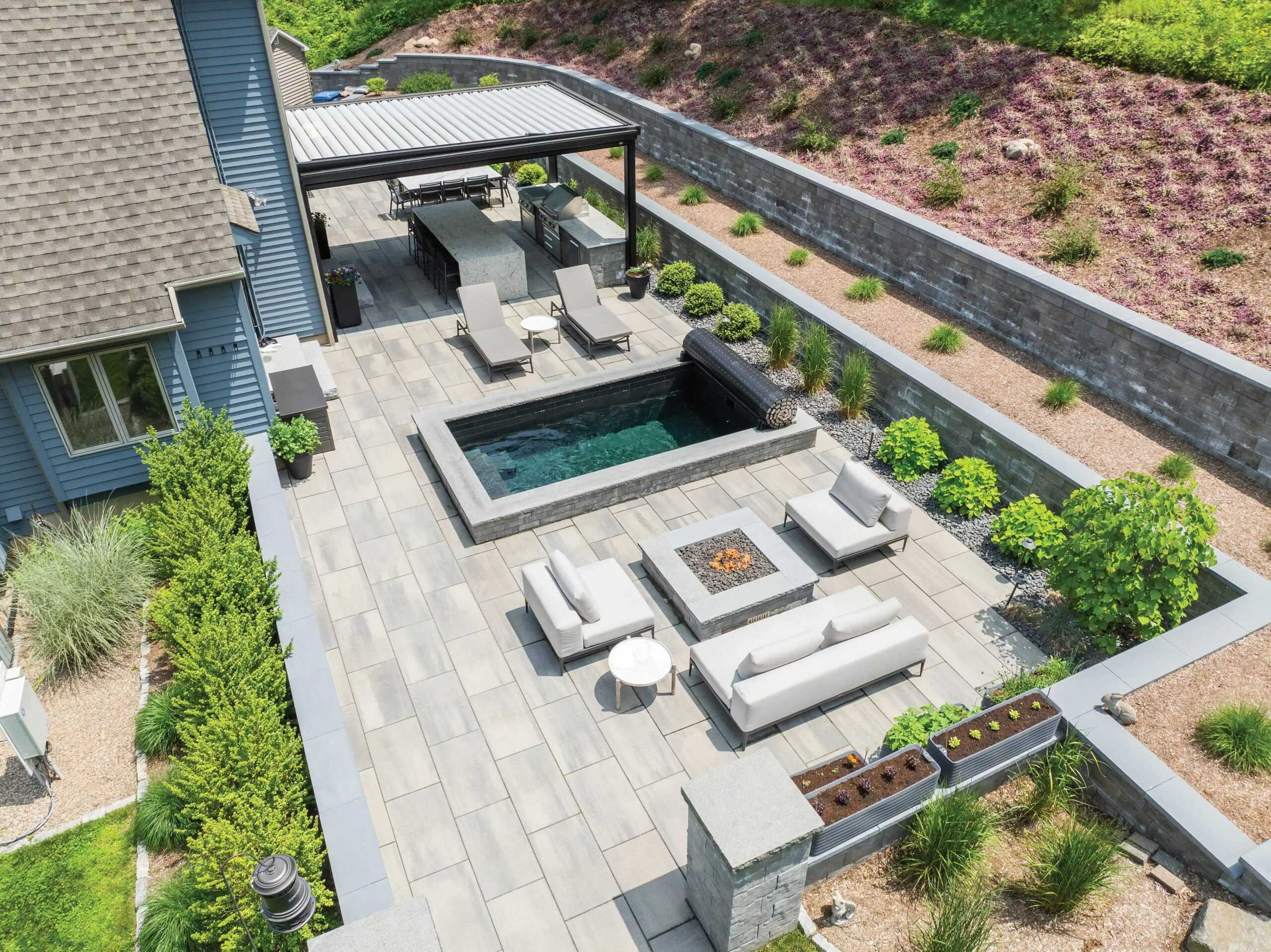
- An Outdoor Kitchen, with built-in grills, power burners, outdoor fridges, wine cabinets, sinks, storage drawers, and even trash solutions to enhance the entertainment space
Understanding how often you host helps balance everyday comfort vs. entertaining flexibility.
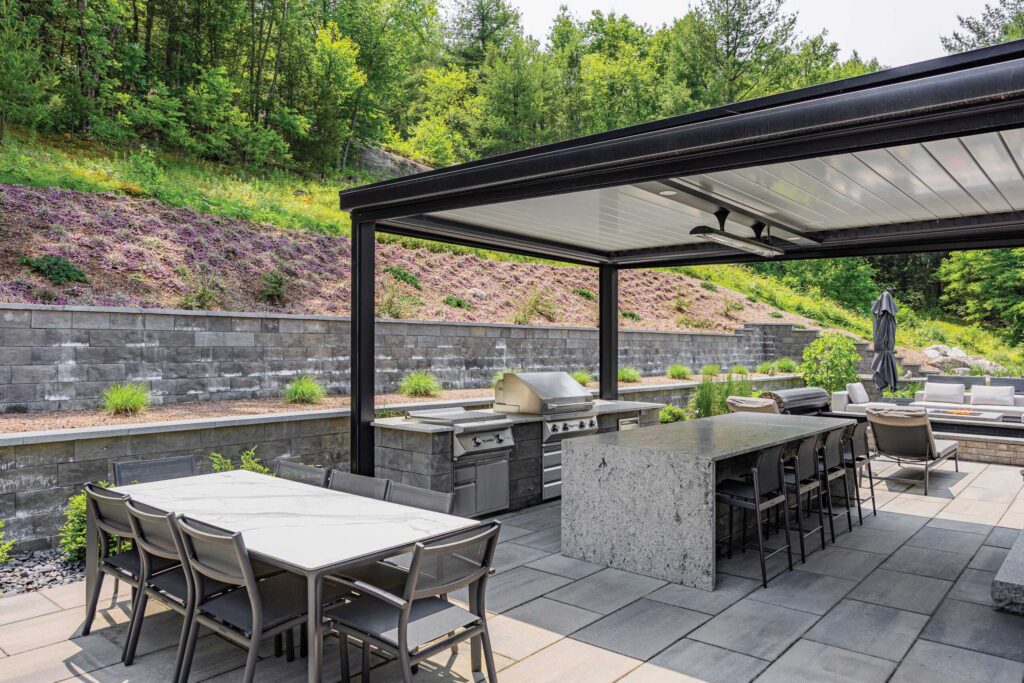
3. Do You Want Separate Functional Areas?
Think about how you’ll actually use the space. Do you want zones that are clearly defined for:
- Dining
- Lounging
- Conversation
- Food Prep or Grilling
Separating these areas can make your patio feel larger and more intentional, even without increasing the patio’s footprint.
4. What Furniture Will You Use?
If you already own outdoor furniture, make sure to take measurements before designing the patio.
- Is it a table for four or eight?
- Lounge chairs, sectionals, or a fire-pit seating set?
- Do you want room to move chairs without crowding?
Designing around real furniture sizes prevents a situation where a patio looks great on paper but feels tight in reality.
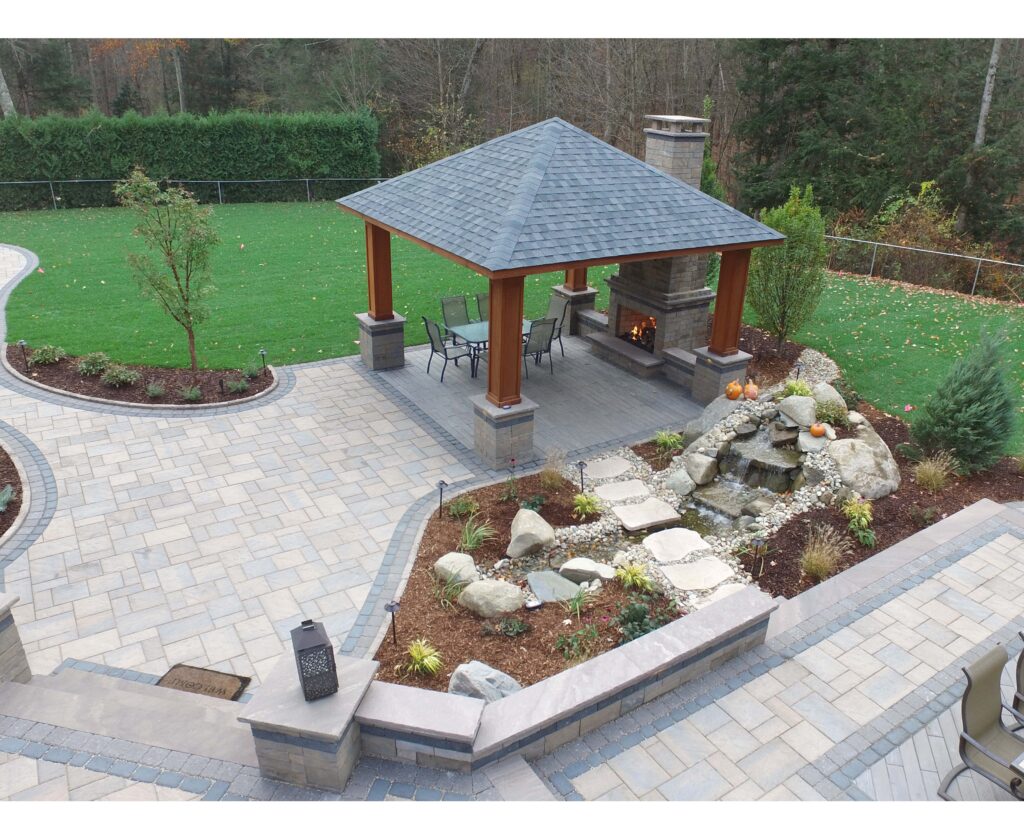
5. How Will People Move Through the Space?
Traffic flow is usually an afterthought when it comes to designing patios, but it’s incredibly important, especially if you’re hosting. You should consider:
- How people step out from the house onto the patio
- Natural walking paths across the space
- Access to the yard, pool, or other outdoor areas
Good flow keeps walkways and seating areas clear, and prevents furniture or other features from interrupting movement.
6. Does the Patio Need to Connect to Other Areas?
Your patio may be a part of a larger outdoor space. You should ask yourself:
- Will it connect to walkways, steps, or garden paths?
- Will it connect to a shaded area, such as a pergola or pavilion?
- Are there elevation changes to consider?
Planning these connections early can help create a much more cohesive outdoor experience instead of a standalone feature.
Finding Inspiration for Your Patio Design
Once you’ve answered all of these questions, it’s time to gather inspiration for your patio. Before your first design consultation, try to save photos of patios and outdoor spaces you love through Pinterest, Instagram, Facebook, and Google. You can also clip ideas from magazines or take pictures of a friend’s, family’s, or neighbor’s patio.
As you review your collection of inspirational images, look for common themes, such as similar colors and textures, repeating layout ideas, and features you’re consistently drawn to (like seating walls, fire pits, water features, etc.)
Doing this will help form your personal style and what you truly want in your backyard.
Bringing It All Together
The final step is working with a professional designer or contractor to turn your ideas into a cohesive plan. A good designer will help organize your thoughts, refine your vision, and create a paver patio that fits your space, your lifestyle, and the long-term goals of your property.
Not sure how much a paver patio will cost? Try using our Cost Calculator to get an estimate.
Ready to get started? Book an appointment with us—no commitment!